
Maximizing Event ROI in Florida: High-Impact Brand Experiences
Event ROI starts with a defined business objective, an experience designed to support it, and a measurement plan the team can actually operate. In Florida, venue conditions, audience, hospitality, staffing, follow-up, consent, and attribution all affect what can be measured. An activation can create useful opportunities, but engagement and financial return are outcomes to evaluate, not guarantees.
Quick answer: Event ROI improves when every activation has a job to do. The best Florida events connect guest behavior, brand value, and follow-up data.
- Give each activation a specific audience, purpose, and next action.
- Use consent-based personalization only where it improves the guest journey.
- Agree on definitions, capture methods, ownership, and follow-up before launch.
How Do Immersive Activations Improve Event ROI?
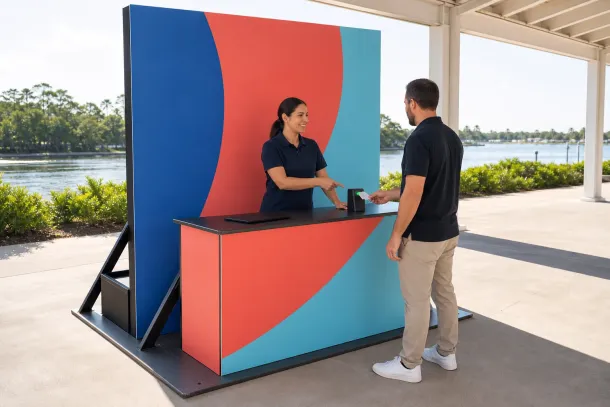
An interactive activation can invite a guest to participate instead of only observe. The design should connect that participation to a defined next action, such as a demonstration, qualified conversation, opt-in, appointment, or purchase path. Recall, sharing, satisfaction, and conversion should be measured separately rather than assumed from the format.
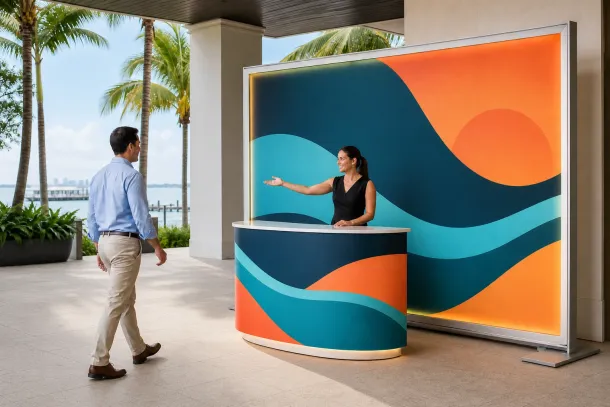
For Florida sports, lifestyle, and hospitality settings, adapt the experience to the audience, climate, venue, rights package, and operating conditions. Whether that improves ROI depends on the objective, cost, execution, follow-up, and measurement method.
Why is Personalization Key for Florida Event Success?
Personalization may help when it is relevant, proportionate, transparent, and based on appropriate consent. Start with the minimum data needed for the guest benefit, provide a non-personalized path, and define retention and access controls. Test whether the approach actually improves the selected measure.
How Can Analytics Drive Future Event Improvements?
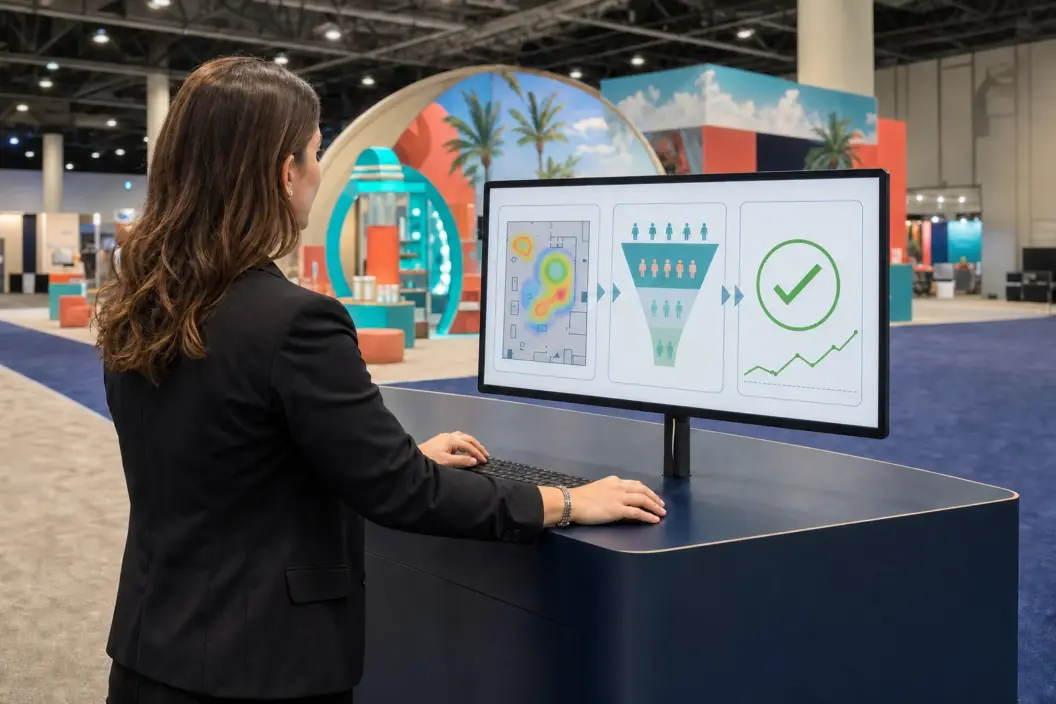
A measurement plan can help teams compare the result with the objective and improve a later program. Possible measures include qualified visits, demo completions, opt-in leads, meetings, sales or influenced opportunities, satisfaction, or operational observations. Define each metric, source, owner, consent requirement, attribution window, and limitation before the event.
Even a simple, well-run scorecard can be useful. Review the data quality, missing context, cost, and attribution limits before deciding what to repeat or change.
Frequently Asked Questions
-
What types of brand activations drive highest ROI?
No activation type guarantees the highest ROI. Choose the format that best supports the audience, objective, venue, budget, and measurable next action.
-
Why is personalization critical for event marketing?
Relevant, consent-based personalization may improve part of the guest journey, but it can also add friction or privacy risk. Test it against a defined measure.
-
Which analytics are essential for measuring event ROI?
Use the smallest set of measures tied to the objective. Depending on the program, that may include qualified visits, demos, opt-ins, meetings, sales, satisfaction, social response, or operational data.
-
How quickly can analytics inform event strategy?
Only when reliable data, consent, monitoring, decision authority, and a safe adjustment are available. Many event measures are more useful after the event and follow-up period.
THRILLFORGE — FORGING LEGENDARY EXPERIENCES.