
Navigating Event Permitting in Florida: A Step-by-Step Guide
Event requirements vary across Florida cities, counties, venues, organizers, and authorities. Whether you are planning in Tampa, Orlando, Miami, or another market, identify the event scope and responsible authorities early. This planning guide highlights common questions to ask; it does not replace current instructions from the venue, authority having jurisdiction, or licensed professionals.
For teams planning complex Florida events, event permitting is where timelines, safety, and guest experience start.
Quick answer: Event permitting is easier when the team identifies the venue and authority requirements early. Site plans, technical documents, reviews, inspections, and lead times vary by jurisdiction and scope.
- Understand local permitting requirements early.
- Prepare comprehensive, organized documentation.
- Establish strong relationships with local authorities.
Why Is Florida Event Permitting So Complex?
Florida event requirements can differ by municipality, county, venue, organizer, event type, structure, attendance, weather exposure, noise, traffic, fire and life safety, electrical work, food service, and other factors. Start by asking the venue and authority having jurisdiction which permits, reviews, licensed professionals, inspections, and deadlines apply to the specific scope.
Starting early can create more time to answer questions or revise documents, but it does not guarantee approval, timing, cost, or event operation.
What Documentation Do Florida Authorities Typically Require?
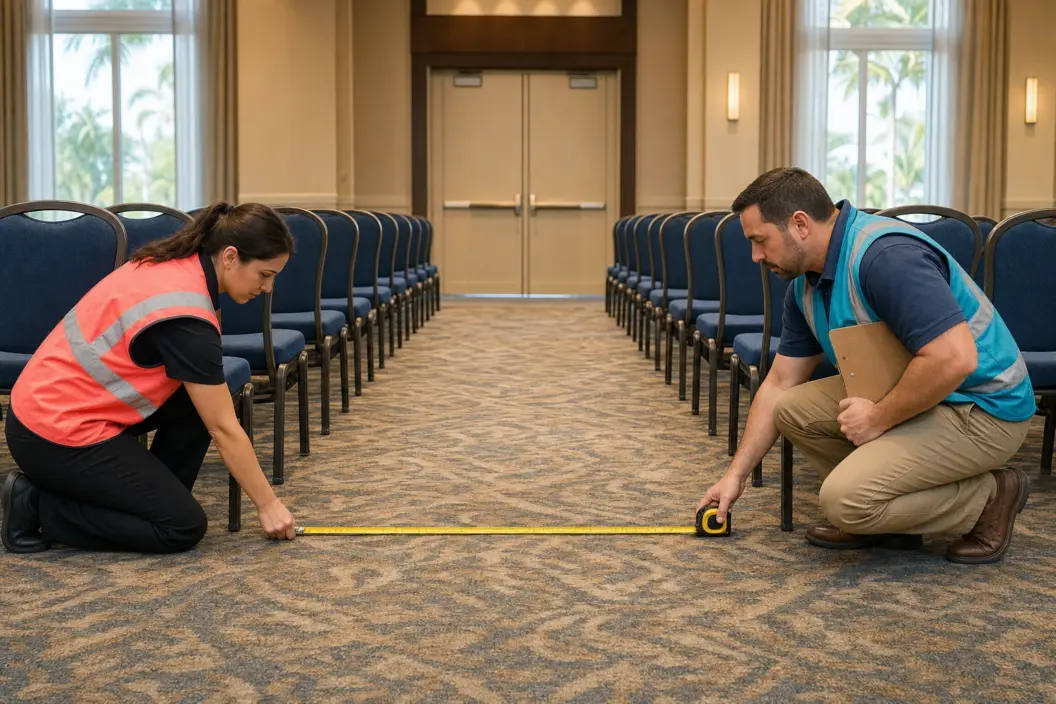
Depending on the event and jurisdiction, an authority or venue may request items such as site plans, engineering documents, fire and life-safety information, traffic or crowd plans, proof of insurance, vendor documents, or other records. Ask for the current checklist, submission method, fees, review sequence, inspection requirements, and responsible contacts; a complete submission still does not guarantee approval.
Expert Tip: Early contact can clarify the current process and surface missing inputs sooner. Record the authority, contact, date, version of the checklist, and next action.
What Steps Should You Follow for Smooth Permit Approval?
Begin by defining the event scope, venue, structures, attendance, activities, utilities, schedule, and responsible parties. Ask the relevant venue and authorities for their current deadlines and review sequence; no single 60–90-day rule applies across Florida. Submit the required documents in the requested format, track questions and revisions, and keep contingency time. Professional communication helps the process but cannot expedite or guarantee an approval.
How Can You Avoid Common Permitting Mistakes?
Common problems include incomplete documents, unclear responsibility, outdated checklists, late design changes, missing professional seals, and insufficient time for review or inspection. Use the current project-specific checklist, assign an owner to each item, record submissions and responses, and involve appropriately licensed professionals where required. Consultants can support the process, but only the relevant authority decides whether requirements are satisfied.
Frequently Asked Questions
-
How early should I start the permitting process in Florida?
Start as early as practical, then confirm the actual deadlines with the venue, organizer, and authorities for the specific event. Review, revision, inspection, and appeal timing varies.
-
What happens if my permit application is denied?
Read the written decision, confirm any deadline or available next step, and ask the authority what process applies. Use qualified legal, engineering, or permitting help when needed rather than assuming immediate resubmission is appropriate.
-
Are event permits transferable across Florida cities?
Do not assume an approval transfers. Confirm the current requirements with every venue, organizer, municipality, county, and other authority involved in the new location.
-
Can THRILLFORGE handle permitting processes directly?
THRILLFORGE can coordinate permitting-related information, documents, vendors, and communications expressly included in the agreed scope. Licensed professionals and applicants remain responsible for their work, and approvals are decided by the venue, organizer, or authority.
THRILLFORGE — FORGING LEGENDARY EXPERIENCES.