
How Custom Signage Enhances Game Day Atmosphere
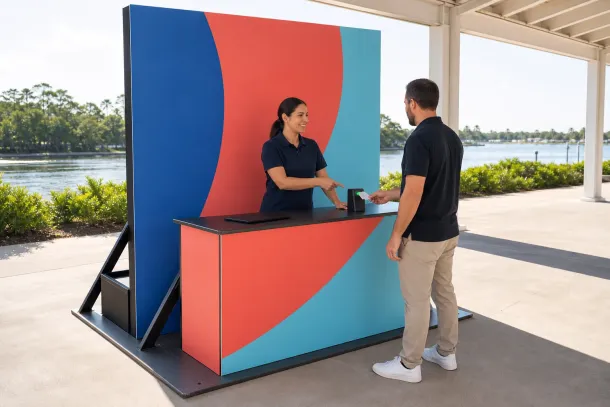
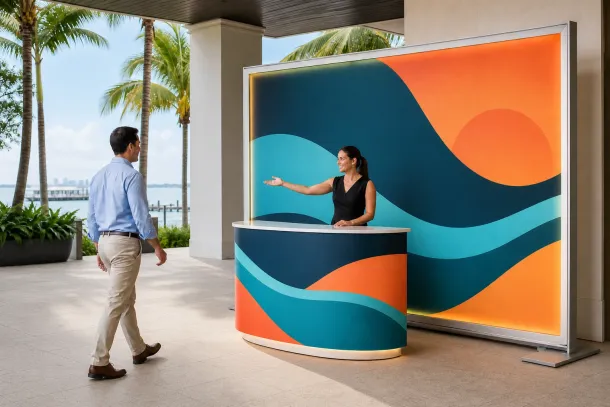
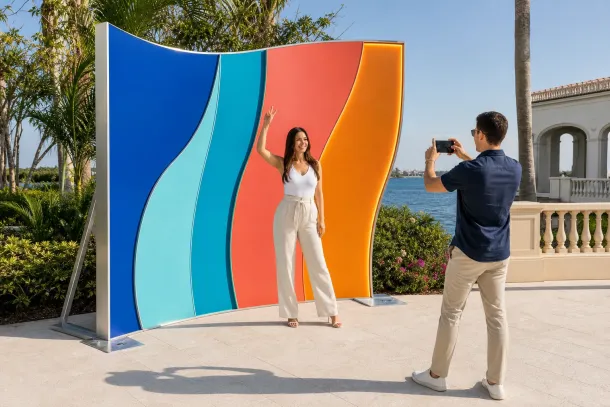
Game-day signage should help fans feel oriented and energized from arrival through departure. The buyer’s job is to protect essential directions while giving the event, team, and sponsors a visible presence at the moments people naturally notice. THRILLFORGE can help plan game day signage in Florida as a coordinated temporary system for entries, fan zones, hospitality gates, queues, photo points, and sponsor destinations.
Quick answer: Build a game-day sign hierarchy from the fan journey: transportation and entry first, destinations and queues second, event identity and sponsor moments where they support rather than obscure those decisions. Confirm every location and support method with the venue.
- Separate essential wayfinding from atmosphere and sponsor messaging.
- Design for moving crowds, changing sightlines, and short reading time.
- Create a location schedule crews and venue teams can verify before opening.
Where Does the Fan Journey Need Signage?
Trace the route from parking, transit, or rideshare through security, ticketing, gates, plazas, fan activities, hospitality, merchandise, seating access, and exit. Mark every choice a fan must make and every point where separate audiences diverge. Premium guests, media, staff, general admission, and activation participants may share an arrival area but need different destinations.
The sign schedule should identify location, message, audience, viewing direction, operating time, owner, and removal plan. That document is more useful than a list of panel sizes because it connects each physical unit to a specific game-day decision.
How Do Direction, Energy, and Sponsorship Share the System?
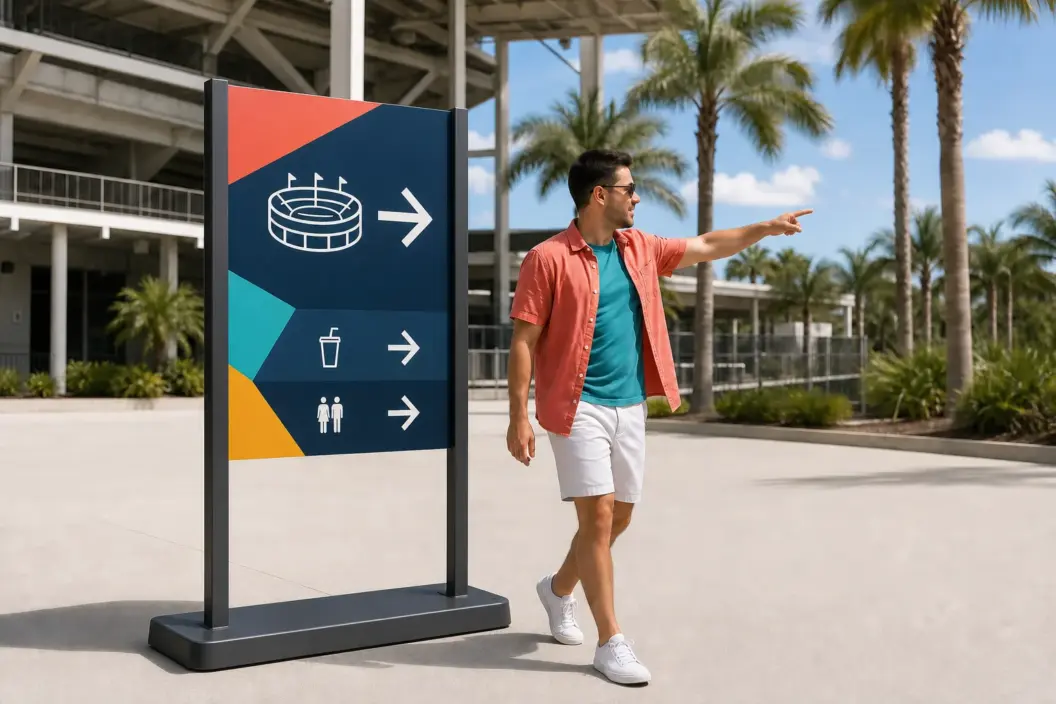
Give critical navigation the clearest visual priority. Event identity can frame entries and destinations, while sponsor recognition belongs at planned pause points such as fan-zone entrances, queues, hospitality check-in, sampling areas, content moments, and exits. The sponsor should feel integrated into the experience without replacing an arrow or gate instruction.
Atmosphere can come from scale, color, rhythm, repeated forms, and the transition between zones—not only from adding copy. A coordinated family of pylons, banners, flags, portals, counter signs, and photo markers can carry energy while still making different sign functions recognizable.
Game-day note: Review the plan at expected crowd height. A message that is readable in an empty plaza may disappear once fans fill the foreground.
What Inputs Keep Fabrication Grounded?
Provide current venue maps, approved locations, gate names, sponsor hierarchy, event branding, security boundaries, pedestrian and vehicle routes, operating hours, lighting, floor or ground conditions, and access for delivery and removal. Identify messages that may change late so replaceable graphics can be planned where appropriate.
Placement, attachment, support, clearance, and other site conditions need venue acceptance plus any technical review the venue requires. Temporary outdoor units may face sun, wind, rain, uneven ground, and public contact; the selected approach must fit the actual location rather than a generic sports rendering.
How Should the System Be Checked Before Gates Open?
Use a location-by-location verification walk. Confirm that the message faces the approach, the destination still exists as named, sponsor artwork matches the approved file, the sign does not conflict with venue information, and guests can see the next decision from the current one. Photograph each approved position for the operations record.
Assign ownership for any updates during the event. If a queue moves, an entrance closes, or weather changes a fan-zone layout, staff should know which approved signs can move, who authorizes revised information, and how an obsolete message is removed from view.
How Can THRILLFORGE Support Game-Day Signage?
THRILLFORGE can help develop the visual family, turn approved locations and messages into fabricated sign types, and coordinate the temporary branded system around the venue information provided by the buyer. The scope can connect fan-zone scenery, sponsor touchpoints, hospitality check-in, and directional signage so they feel related without forcing them to perform the same job.
Bring the venue plan, fan routes, event schedule, approved brand assets, sponsor matrix, sign messages, site requirements, installation window, budget range, and update process. Those inputs make it possible to price and design a real system instead of guessing from the number of expected attendees.
Game-Day Signage FAQs
- Is game-day signage different from venue signage?
Yes. Venue signage often supports ongoing operations, while game-day signs may add temporary event, sponsor, hospitality, queue, and activation information. The two systems should not contradict each other.
- Where should sponsor signs be concentrated?
Use approved locations where fans naturally arrive, pause, gather, interact, or photograph, while protecting essential directions and venue information.
- How are late message changes handled?
Identify changeable messages early, use replaceable graphic areas where suitable, set an artwork deadline, and define who approves and installs any revision.
- Who confirms temporary sign placement?
The venue and any required technical or operational reviewers should approve locations, clearances, supports, access, and conflicts with existing information.
THRILLFORGE — FORGING LEGENDARY EXPERIENCES.