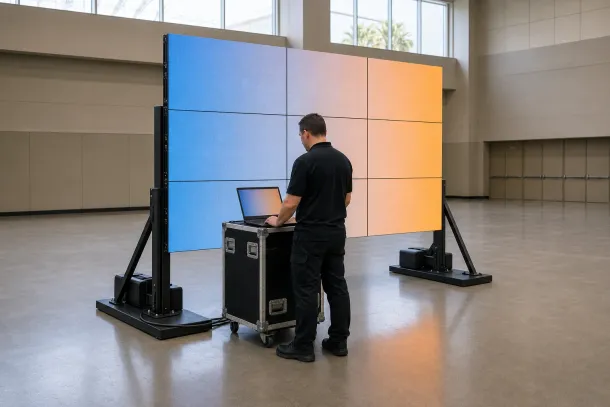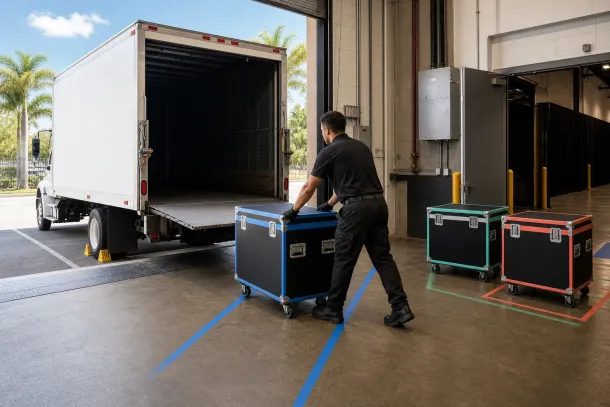

VIP Event Services in Florida
VIP event services in Florida should make the guest experience feel considered while keeping every backstage responsibility explicit. The real buying decision is not whether the event looks luxurious. It is which services the guest requires, who will provide them, and how those providers will work through one arrival-to-departure plan. THRILLFORGE may support the environment and production scope defined for that plan.
Quick answer: Define the guest promise first, then specify invitations, arrival, credentials, hosting, transport, food and beverage, program access, support, and departure. Assign an owner to every service and test the handoffs before the event opens.
- Translate “VIP” into observable service standards and inclusions.
- Build one operating timeline across guest-facing and back-of-house teams.
- Plan exceptions, accessibility needs, and escalation before doors open.
Which VIP Services Should Be Defined First?
Start with the guest promise. Is the invitation offering reserved access, private hosting, priority arrival, transportation, a curated program, a meal, a meeting setting, or simply a more comfortable place to gather? Write the inclusions in plain language so marketing, guest communications, staffing, and operations describe the same experience.
Then assign responsibility for invitations, responses, guest data, credentials, parking or transport, welcome, coat or bag handling, concierge questions, food and beverage, seating, gifts, program timing, security, accessibility support, and post-event follow-up. Some services may come from the organizer or venue; others may require separate authorized vendors. THRILLFORGE should be assigned only the responsibilities included in the approved scope.

How Do You Design the Arrival-to-Departure Journey?
Map what the guest receives before arrival, where the first decision occurs, what identification is required, who can solve an exception, how long each transition may take, and where the guest goes next. Use the map to locate welcome points, queues, transport stops, lounge access, information, seating, program moments, and departure support. A polished room cannot repair a confusing arrival.
Design for ordinary and exception paths. Consider an early guest, a late guest, an invitation-name mismatch, a mobility need, a dietary question, a lost credential, a weather change, or a transport delay. Staff should know what they may decide, who receives an escalation, and how updates reach the affected guest without exposing private information.
What Must the Run of Show and Staffing Plan Cover?
Build a service run of show that begins before guest arrival and ends after departure. Include venue access, room readiness, catering delivery, technical checks, staff briefing, credential distribution, guest windows, program cues, replenishment, cleaning, transport calls, closing, inventory, and incident reporting. Tie each activity to a named role and communication channel rather than a generic team label.
Staffing should follow capacity, service complexity, walking distances, shift length, language or protocol needs, and expected peaks. The employer or appointed provider remains responsible for hiring, training, supervision, licensing where required, and employment practices. A production plan can coordinate call times and positions, but it does not replace those responsibilities.
How Do Florida Venues Change the Service Model?
Florida hospitality may operate in a hotel, convention center, resort, stadium, golf property, private club, waterfront site, or temporary outdoor setting. Confirm parking, rideshare, shuttle routing, security screening, loading access, indoor and outdoor transitions, shade, cooling, rain cover, power, lighting, restrooms, and accessible routes with the controlling parties.
Heat, humidity, storms, traffic, and large-site distances can affect arrival windows, guest comfort, food handling, transport, staffing, and communication. The venue, organizer, caterer, transportation provider, safety team, and other responsible specialists should establish their operating limits and contingency authority. The guest message should be updated only from approved information.
Where Can THRILLFORGE Fit in the Service System?
THRILLFORGE may fit when a VIP event needs creative planning, a branded environment, fabrication, production management, or coordination of agreed physical and operational elements. The precise role depends on the venue, appointed hospitality providers, technical team, approvals, and written division of work. Review the wider Services in relation to the actual service plan.
A productive first brief includes the event purpose, guest profile, invitation count, venue, access conditions, schedule, promised benefits, hospitality partners, program, transport plan, brand requirements, budget parameters, and open decisions. That information allows responsibilities to be defined for the project without implying that one supplier controls every guest-facing service.
Frequently Asked Questions
- What makes an event service “VIP”?
The label should correspond to stated benefits such as access, hosting, comfort, convenience, privacy, or program value. Buyers should define those benefits rather than relying on the label alone.
- Who should own the VIP guest list and personal data?
The client or another authorized organization should define lawful collection, access, consent, retention, correction, and deletion. Every vendor should receive only the information required for its assigned task.
- Can one event company provide every VIP service?
Not automatically. Venues, organizers, caterers, transport firms, security providers, staffing companies, and licensed specialists may control different services. The written scope should identify each owner and exclusion.
- What should be tested before guests arrive?
Walk through arrival, credential checks, routes, service timing, program cues, accessibility, staff communications, exception handling, weather changes, transport, and departure using the approved operating plan.