


Event Vehicle Fabrication and Trailer Conversions in Florida
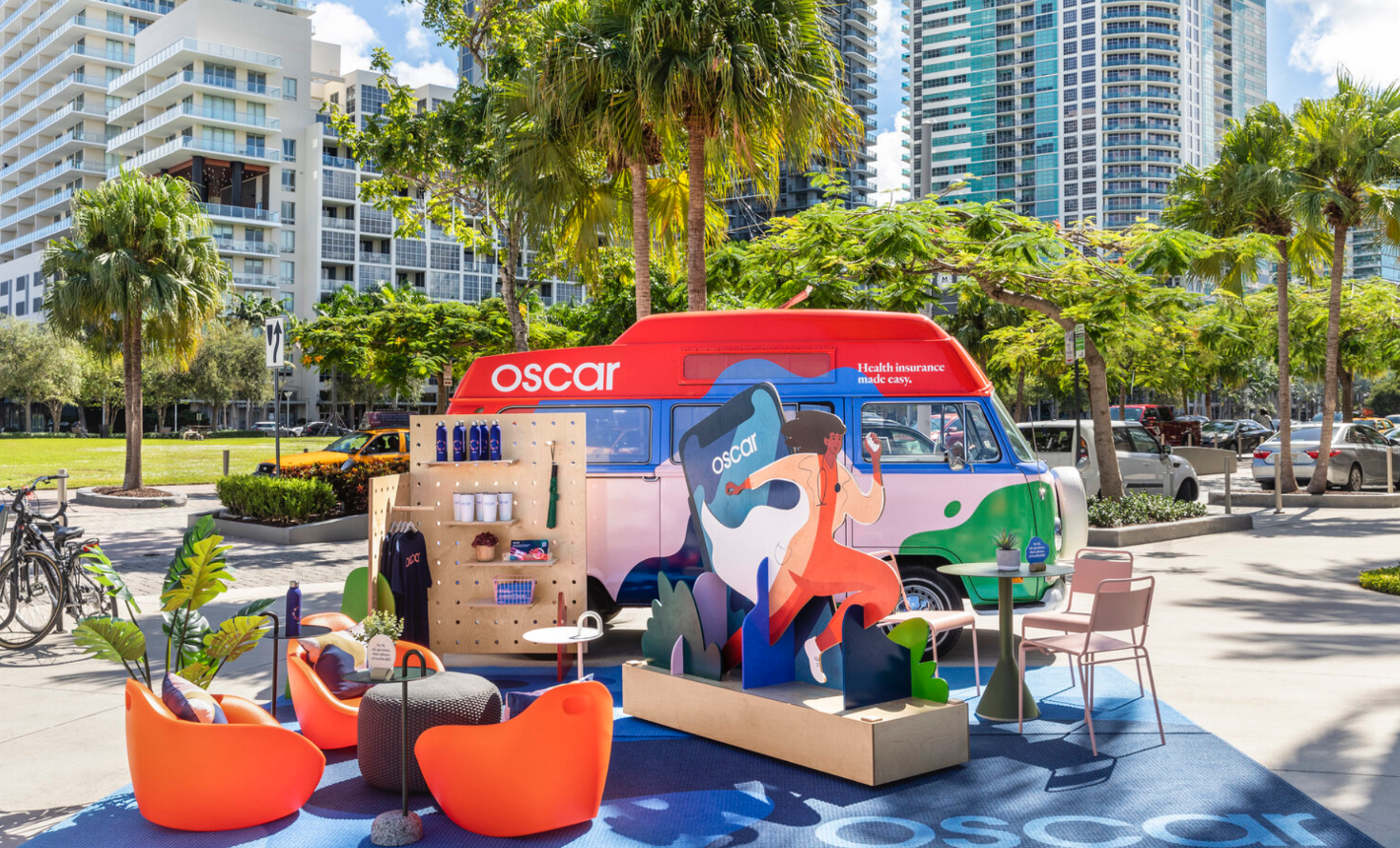
Event vehicle fabrication in Florida should begin with the guest experience. It should also begin with the unit’s daily job. A useful mobile activation must do more than look dramatic. Define the audience, route, staff flow, utilities, storage, access, and transport first. Confirm regulated work before choosing finishes or features.
Quick answer: Decide what the unit must do at each stop. Then separate the branded event fit-out from regulated vehicle work. Qualified specialists must handle the chassis, road safety, structure, electrical systems, mechanical systems, registration, and related approvals.
- Write the operating sequence before selecting conversion features.
- Confirm route, towing, site, utility, storage, and deployment limits.
- Assign regulated vehicle and trade work to qualified parties.
What Should the Event Vehicle Do for Guests?
An event vehicle can serve many roles:
- Product demonstration or mobile showroom.
- Sampling point or registration desk.
- Content studio or hospitality space.
- Retail experience or traveling information center.
Each role creates different needs. Plan counters, storage, displays, staff positions, power, and ventilation. Add guest access, cleaning, restocking, privacy, and queue space.
Map the full operating sequence. Cover arrival, setup, opening, guest use, restocking, closing, pack-down, and departure. Mark what stays secure during travel. Mark what the team installs at each stop. The brief is incomplete if staff must add unplanned equipment later.
What Must the Client Confirm Before Design Starts?
Document the base unit before design starts:
- Vehicle or trailer type and ownership.
- Dimensions and available weight information.
- Towing setup, doors, and openings.
- Existing systems and maintenance condition.
- Route, storage, operator, and expected event sites.
Confirm how guests will use the unit. They may enter it, stand beside it, or use an opening. That choice affects the layout and professional review.
Some work needs a qualified or authorized party. This may include structure, towing, brakes, electrical work, plumbing, and fuel systems. Accessibility, food service, registration, insurance, and inspections may also need review. Manufacturers, licensed trades, engineers, regulators, insurers, and site authorities keep their assigned roles. A scenic concept cannot prove road safety or legal compliance.
How Should the Conversion Scope Be Divided?
Separate the work into clear packages:
- Base unit and regulated vehicle work.
- Event-environment fabrication and graphics.
- Technology and loose equipment.
- Transport, storage, deployment labor, and maintenance.
Name who supplies, installs, approves, and warrants each system.
Interfaces need special attention. A branded cabinet may block service access. A display may change the power needs. A new opening may need structural review.
The client should receive approved drawings and finish schedules. Add equipment lists, specialist weight data, utility assumptions, and access clearances. Include securement details, test duties, handover records, and a clear change process.
How Do Florida Routes and Event Sites Affect the Build?
A Florida activation may visit many types of sites. These include convention properties, resorts, stores, festivals, campuses, sports venues, and public spaces. Check each stop for:
- Turning room, height, width, parking, and loading.
- Ground conditions and leveling.
- Guest approach and accessible routes.
- Security and overnight storage.
- Generator rules, shore power, waste handling, and local approval.
Heat, humidity, sun, rain, wind, and coastal salt affect the plan. They may change guest comfort, finishes, seals, graphics, electronics, and product temperature. The route plan needs a weather response and named decision owner. A road-ready unit is not ready for every event site.
How Does THRILLFORGE Support Event Vehicle Fabrication?
THRILLFORGE can define the guest journey and branded environment. It can design scenic fit-outs, event layouts, graphics, and the deployment brief. It can also coordinate with the vehicle owner and named specialists. The written scope must show where each role starts and ends.
THRILLFORGE does not replace a vehicle maker, engineer, licensed trade, regulator, insurer, or authority. Review its event design, fabrication, management, and production services after the vehicle boundaries are clear.
Bring the base-unit details, intended use, route, sites, and audience. Add the staff flow, equipment, utilities, brand standards, budget, schedule, and specialist team. These inputs keep vehicle risk outside the scenic scope.
Related THRILLFORGE Automotive Experience Work
For related automotive experience work, see the Lexus Drive-In experiential event and the Cadillac Hotel activation. These case studies show automotive brand experiences. They are not presented as proof of regulated vehicle-conversion work.
Frequently Asked Questions
Compare its condition, dimensions, weight and capacity information, service history, intended use, required changes, route, maintenance needs, and specialist review. A lower purchase price does not prove that the platform is suitable.
That choice affects circulation, steps or lifts, accessible participation, occupancy, structure, exits, ventilation, and site approval. Confirm the intended use with the correct qualified professionals and authorities before releasing the design.
List every display, appliance, device, light, climate-control need, water use, data connection, and charging load. Add expected operating hours and backup needs. Qualified specialists should design and approve the systems within their responsibility.
Use replaceable graphics, neutral durable components, adaptable displays, documented mounting points, and protected storage where they fit the brief. Each new campaign, route, site, and operating use still needs review.



